Solar Installation in Karachi: Beating Heat and Outages in 2026
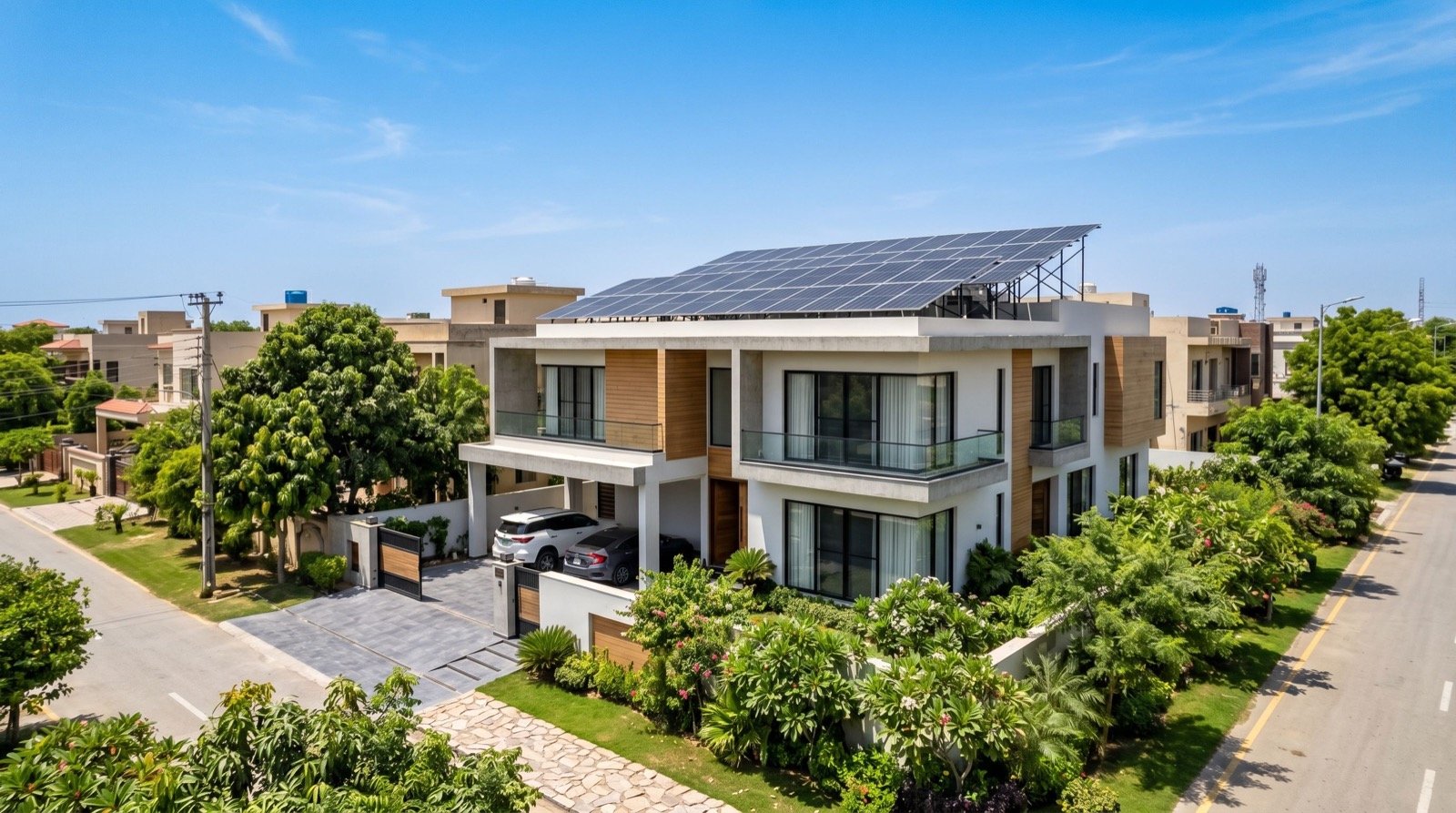
Karachi summers are brutal, and the grid often fails exactly when you need it most. A well-planned solar installation in Karachi fixes both problems at once by cutting your bill and keeping the fans running when the power drops. In 2026, with tariffs high and panel prices low, more households and small businesses across the city are switching than ever before. This guide explains what works in Karachi’s unique coastal climate and how to avoid the mistakes that waste money.
We will cover system types, battery backup, costs, the salt-air factor, and how Multan buyers can apply the same logic to a very different climate inland.
What Makes Solar Installation in Karachi Different
Karachi sits on the Arabian Sea, so two local factors shape every good design. First, humidity and salt in the air can corrode cheap mounting hardware. Second, the city enjoys long sunny stretches with roughly 5.3 peak sun hours per day on average, which is excellent for generation.
Because of the coastal environment, corrosion-resistant aluminium rails and marine-grade fittings are not optional extras here. They are the difference between a system that lasts 25 years and one that rusts in five.
Grid-tied, hybrid, or off-grid?
Most Karachi homes choose a hybrid system because it combines the savings of net metering with the backup of batteries. Here is the quick breakdown.
- Grid-tied: Cheapest, best savings, but shuts off during a blackout.
- Hybrid: Net-metering savings plus battery backup through outages. Most popular in 2026.
- Off-grid: Fully independent, needs large battery banks, best for areas with weak grid connections.
How Much Backup Do You Actually Need?
Oversizing batteries is the most common money mistake. You rarely need to run the entire house on battery. Instead, define a backup load of essentials and size storage around that.
| Backup Priority | Typical Load | Suggested Battery |
|---|---|---|
| Essentials only | Fans, lights, router, TV | 5 kWh |
| Comfort | Essentials plus 1 inverter AC | 10 kWh |
| Whole home | Multiple ACs and appliances | 15 kWh or more |
Pair that battery with an array sized to your consumption, and you ride through load-shedding without touching a noisy diesel generator.
Costs and Payback in 2026
A typical 8 kW hybrid system with a modest battery runs between 2 million and 2.6 million rupees installed in Karachi this year. The payback math works because you avoid both high grid tariffs and expensive generator fuel.
- Estimate your annual electricity spend from recent bills.
- Subtract projected solar generation offset and net-metering credits.
- Divide the system cost by the yearly saving to find payback in years.
Most Karachi buyers land on a four to five year payback, after which the energy is close to free for the life of the panels. Choosing reliable local experts to run the numbers keeps your estimate honest and grounded in real consumption data.
Net metering through K-Electric
Karachi’s distribution utility processes net-metering applications under the national framework. The Alternative Energy Development Board oversees renewable policy nationwide, and you can read its guidance on the AEDB website. A certified installer files the paperwork and arranges your bidirectional meter.
Why a Professional Solar Installation in Karachi Beats DIY
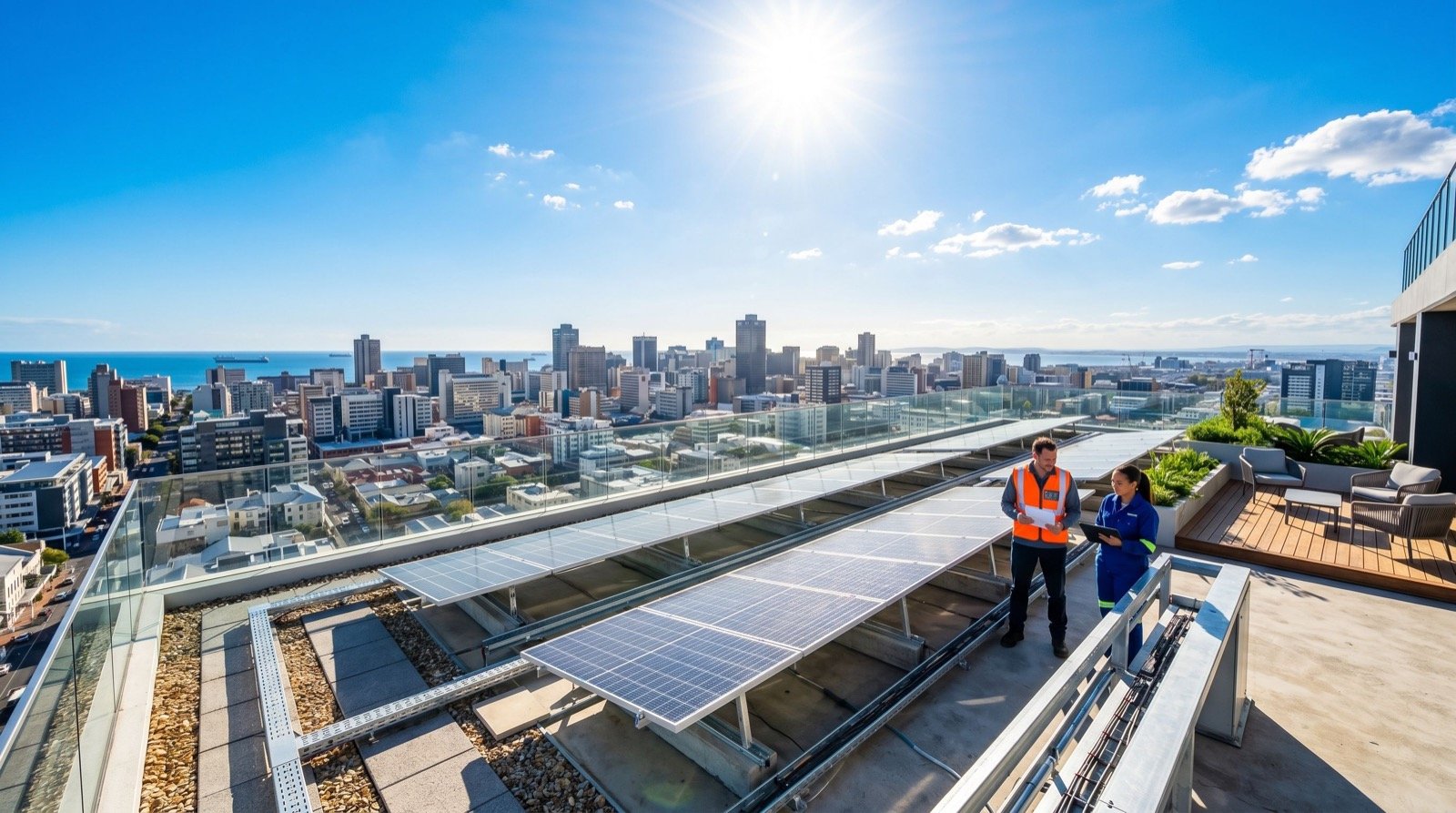
Rooftop solar looks simple online, but a safe, code-compliant job needs proper engineering. A professional solar installation in Karachi handles structural loading, correct cable sizing, surge protection, and earthing. Get any of those wrong and you risk fire, voided warranties, and a failed net-metering inspection.
Professionals also optimise panel tilt and orientation for Karachi’s latitude so you squeeze the most generation from every panel across the year.
Does the Same Advice Work in Multan?
Multan is hot and dry rather than humid and coastal, so corrosion is less of a worry but dust and extreme summer heat are bigger ones. Heat reduces panel efficiency, so good ventilation under the array matters. A trusted solar company in Multan will raise panels for airflow and plan for regular dust cleaning.
Multan’s intense sun actually delivers strong annual yields despite the heat penalty, so payback periods there are just as attractive as in Karachi.
Climate comparison at a glance
- Karachi: Coastal, humid, salt air. Priority: corrosion-resistant hardware.
- Multan: Dry, dusty, very hot. Priority: ventilation and routine cleaning.
Keeping Your System Healthy Year-Round
A solar array is a long-term asset, and a little routine care protects the returns you worked out on paper. The good news is that modern grid-tied and hybrid systems need very little attention compared with a diesel generator.
In Karachi’s coastal setting, two maintenance habits matter most. First, rinse the panels every few weeks during dry, dusty spells so salt and grime do not build into a hard film. Second, check your monitoring app regularly so any drop in output is spotted within days rather than months.
- Visual checks: Look for loose fittings, shading from new construction, or bird nests under the array.
- Inverter health: Watch for error codes and keep the unit ventilated and out of direct afternoon sun.
- Annual inspection: A yearly professional check of connections and earthing keeps the system safe and efficient.
Treat the array well and it comfortably delivers two decades or more of strong generation, which is exactly what makes the payback math so attractive in the first place.
Monitoring pays for itself
A faulty panel string or a tripped breaker can quietly cost you hundreds of units a month. Remote monitoring flags the problem immediately, so you fix it before the losses add up. Insist that your installer sets up monitoring and shows you how to read it.
Frequently Asked Questions
Can solar fully replace my generator in Karachi?
For most homes, yes. A hybrid system with the right battery capacity covers your essential loads through typical outages, so the generator becomes a rare backup rather than a daily cost.
Does sea air really damage solar systems?
It can damage low-grade hardware. Salt accelerates corrosion on cheap rails and fittings, which is why marine-grade mounting and quality panels with strong frames are essential near the coast.
How long does installation take?
A standard residential system is usually installed in two to four days. Net-metering approval and the bidirectional meter can add a few weeks, depending on your utility.
Will panels perform in Karachi’s cloudy monsoon spells?
Output drops on heavily overcast days but does not stop. Across a full year Karachi’s abundant sunshine more than makes up for the short monsoon dip.
Conclusion and Next Step
A smart solar installation in Karachi delivers two wins at once in 2026: lower bills and reliable power through load-shedding. Choose corrosion-resistant hardware, size your battery to real essentials, and insist on certified professional work. The same disciplined approach pays off in Multan and across the south. Book a free rooftop assessment today and get a clear, itemised quote before the next heatwave arrives.