Solar Installation in Pakistan: A 2026 Step-by-Step Planning Guide
A successful solar installation in Pakistan is far more than bolting panels to a roof. It is a planning exercise that starts with your electricity bill and ends with a system engineered to survive monsoon winds, summer heat, and two decades of daily cycling. This 2026 guide breaks the whole journey into clear stages so you know exactly what a quality project should look like before you pay a single rupee.
Whether you are powering a three-bedroom house or a small factory, the same engineering principles apply. Understand them and you will ask sharper questions, avoid undersized hardware, and end up with a system that actually delivers the savings the brochure promised.
Step 1: Audit your energy consumption first
Every good solar installation begins with twelve months of past bills, not a sales catalogue. Your annual kilowatt-hour usage and your peak demand decide the system size; guessing here is the most common and most expensive mistake.
List your heavy loads such as air conditioners, water pumps, and refrigerators, then note when they run. A home that cools heavily through the afternoon suits a larger daytime array, while an evening-heavy household leans toward battery storage.
- Gather at least one full year of electricity bills to capture seasonal swings.
- Identify your highest-consumption months, usually peak summer.
- Separate daytime from night-time usage to decide if you need batteries.
- Note any planned additions like a new AC, EV charger or workshop machine.
Step 2: Choose the right system type
There are three mainstream architectures, and picking the wrong one wastes money. The table compares them on the factors buyers actually care about in 2026.
| System type | Backup during outage | Upfront cost | Best suited for |
|---|---|---|---|
| On-grid | No | Lowest | Stable areas wanting maximum bill savings |
| Hybrid | Yes (partial/full) | Medium-high | Homes facing load-shedding plus net metering |
| Off-grid | Yes (full) | Highest | Remote sites with no reliable grid |
Most urban households in 2026 choose hybrid systems because they combine net-metering savings with genuine backup. Off-grid remains the choice for farms and rural sites where extending the grid is impractical.
Step 3: Understand the core components
A durable solar installation stands or falls on component quality. Treat the inverter as the brain and never let an installer downgrade it to hit a price.
Panels
Monocrystalline tier-1 panels dominate the market for their efficiency and long performance warranties. Industry data from the International Renewable Energy Agency (IRENA) shows module costs have fallen dramatically over the past decade, making higher-efficiency panels affordable even for budget projects.
Inverters
The inverter converts DC to usable AC and manages batteries and grid export. A reputable hybrid inverter with proper surge handling protects your appliances and extends system life.
Mounting and wiring
Galvanised or aluminium structures, correctly sized DC cables, and proper earthing are non-negotiable. Cheap structures corrode or lift in storms, and thin cables waste energy as heat.
Step 4: Plan for your city and climate
Dust, humidity and coastal salt all affect design. In humid coastal conditions, corrosion-resistant mounting and sealed connectors matter more, which is one reason demand for professional solar installation in Karachi focuses heavily on weatherproofing. Inland cities face dust accumulation that calls for easy-clean layouts and a realistic cleaning schedule.
Tilt and orientation also change with latitude. A good installer sets panel angle to maximise annual yield and positions the array to avoid shading from water tanks, parapets and neighbouring buildings.
What makes a solar installation fail early?
Premature failures rarely come from the panels. They come from rushed workmanship and poor matching of components. Watching for these red flags saves years of headaches.
- Undersized inverter that clips production on sunny days.
- Loose DC connectors causing arcing and fire risk.
- No monitoring, so faults go unnoticed for months.
- Mismatched batteries that degrade far ahead of schedule.
- Skipped net-metering paperwork, leaving export energy uncredited.
Growing markets inland show the same pattern; buyers comparing every solar company in Multan should weight engineering quality and after-sales support, not just the headline price. The cheapest quote is almost never the cheapest system over 25 years.
Step 5: Commissioning and net metering
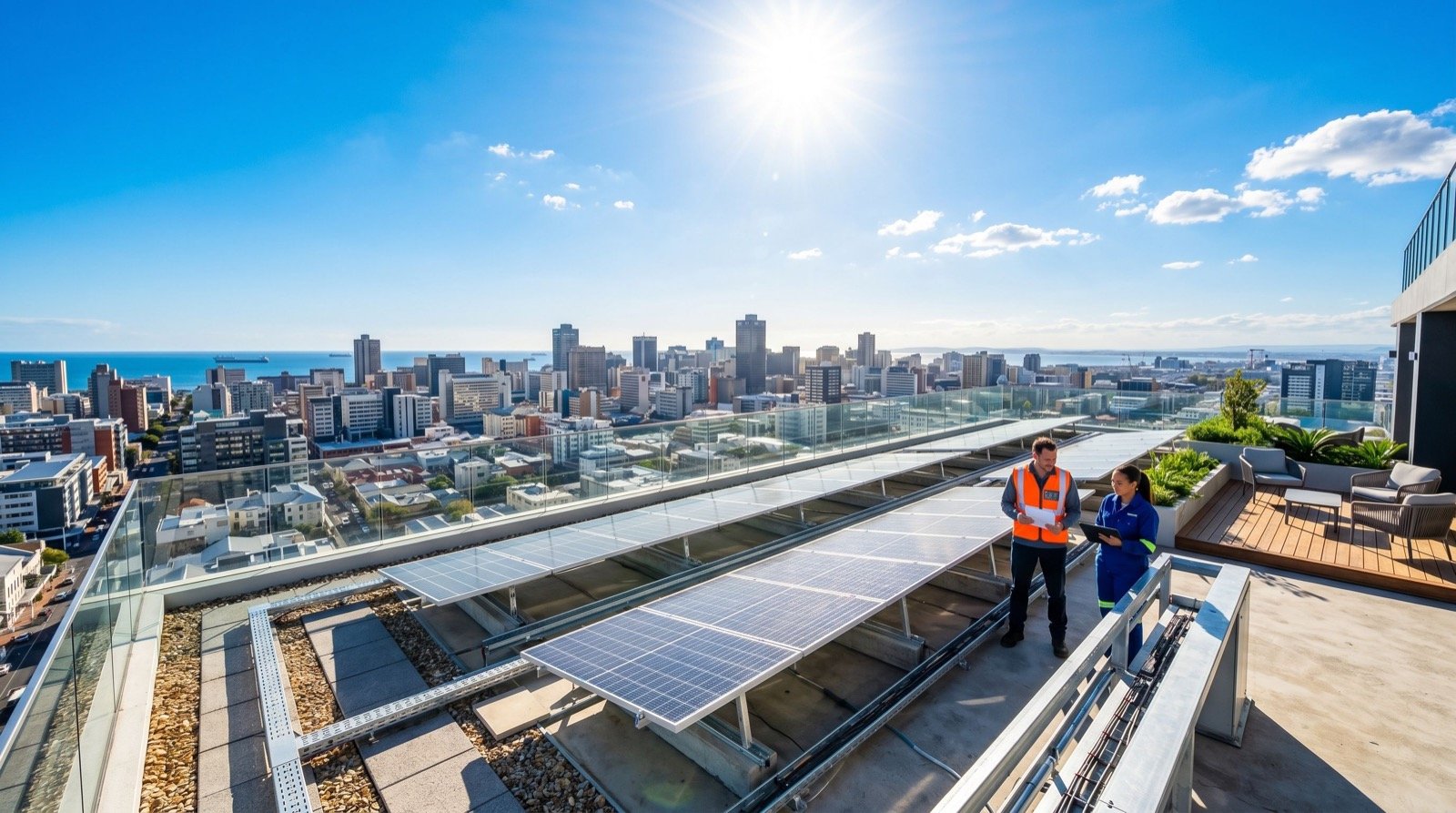
Once installed, the system must be tested under load, labelled, and documented. Your installer should walk you through the monitoring app and hand over warranties and a wiring diagram. For grid-tied systems, the net-metering application and bidirectional meter complete the project. The policy framework is overseen nationally by the Alternative Energy Development Board (AEDB), and a professional installer handles the application on your behalf.
Choosing reliable local experts for commissioning ensures your paperwork, monitoring and warranties are all in order before the crew leaves your roof.
Step 6: Protecting your investment after handover
The project is not finished when the crew leaves. A solar installation is a 25-year asset, and a short handover routine ensures it performs as designed for the full term. Insist on a complete documentation pack before you make the final payment.
- A single-line wiring diagram showing every panel string, the inverter and protections.
- Datasheets and warranty certificates for panels, inverter and batteries.
- Login details and a short demo of the monitoring platform.
- A written maintenance schedule and emergency contact for faults.
With this pack in hand you can verify performance, make future warranty claims smoothly, and give any future technician the information they need. Systems that arrive without documentation are far harder and more expensive to service later.
Budgeting realistically for 25 years
A smart owner plans beyond the install cost. Set aside a small annual budget for cleaning and inspection, and expect one inverter replacement and, for hybrid systems, a battery replacement within the system’s life. Factoring these in up front keeps your return on investment honest and prevents nasty surprises down the road.
Frequently Asked Questions
How long does a solar installation take?
A typical 5 kW home system is physically installed in one to three days. Net-metering approval and meter swap can add a few weeks depending on your distribution company’s queue.
Do I need batteries for a solar installation in Pakistan?
Not always. If you only want lower bills and your grid is stable, an on-grid system is enough. If outages disrupt your day, a hybrid system with batteries is the practical choice in 2026.
How much maintenance does a solar system need?
Very little. Periodic panel cleaning, an annual inspection of connections, and monitoring for output drops are usually all that is required for smooth long-term performance.
Will solar cover my entire electricity bill?
A properly sized net-metered system can offset most or all of your consumption over a year. Exact coverage depends on roof space, shading and how closely the design matches your usage.
Conclusion
A smart solar installation in Pakistan rewards planning: audit your usage, pick the right system type, insist on quality components, and design for your local climate. Do that with a credible installer and you convert an unpredictable monthly bill into decades of clean, low-cost power. Book a site survey and a consumption-based proposal in 2026, and make sure every component and warranty is spelled out in writing before work begins.